


by Olivia Capino, English major
What exactly is this class exploring?
This course explores several questions about how “religious identities shape the story we tell,” according to Kerry Spencer-Pray, Ph.D., the current instructor. “Who is the hero? Who is the villain? What is good and what is bad? What is normal and what is not? What does rebellion look like? What does a society look like? How does our faith inform these?”

What are the assigned readings and assignments like?
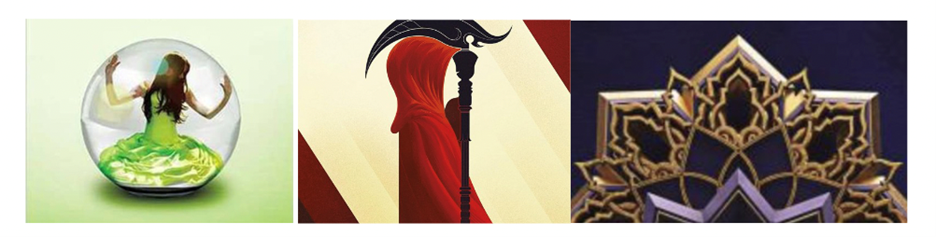
The class reads three novels together: Matched by Ally Condie, Scythe by Neal Schusterman, and Mirage by Somaiya Daud. Each author comes from a different religious tradition: Mormonism, Judaism, and Islam, respectively. As for assignments, Pray says, “We have a lot of discussion in the class, along with some writing and presentations. We try to think about the ways that our worldviews are shaped by our faiths and the way that shows up in the texts in surprising and unsurprising ways. Poetry is sacred in Islam and it’s a form of political resistance in Mirage. There is a benevolent god-like figure in Scythe who tries to prevent suffering, and it leads to chaos. In Matched the perfect society comes with a lot of rules and there isn’t a lot of room for people who don’t fit the norm. Does faith play a role in these stories? Would the stories mean more or less if they were overtly stories about faith?” Students are also required to choose a fourth novel from an author of a non-Abrahamic religion to read on their own to analyze under the literary lens of religion for a book report.
How did you choose the readings for the class?
It was a means of exploration for Prof. Pray, combining what was known and unknown. She says, “I chose the readings because I wanted to expose students to a variety of different traditions. I come from a Mormon background and could identify a lot of cultural elements in Matched that others might miss. But I also wanted the chance to explore books from backgrounds very different than my own. Scythe is rich in imagery I recognized as religious, but I was unfamiliar enough with Judaism that there were going to be things new to me. Mirage is a gorgeous exploration of the political implications of colonialism. What is resistance when you are conquered? What is morality if you are the inheritor of a conqueror? I also wanted students to have a chance to explore non-Abrahamic traditions. Indigenous faiths, Eastern faiths, paganism, animism, even science as faith. I wanted readings that let students ask a lot of questions.” These choices seem popular with the class as well. Scythe seems to be a favorite among the students, as reported by Elizabeth Honbarrier and Logan Lynch.
When will the class be offered again?
As of right now, there is not a specified time the class will be offered again. However, “It may depend on how many students express interest in taking the course! If it’s one you’re interested in, let us know!” Prof. Pray says.