


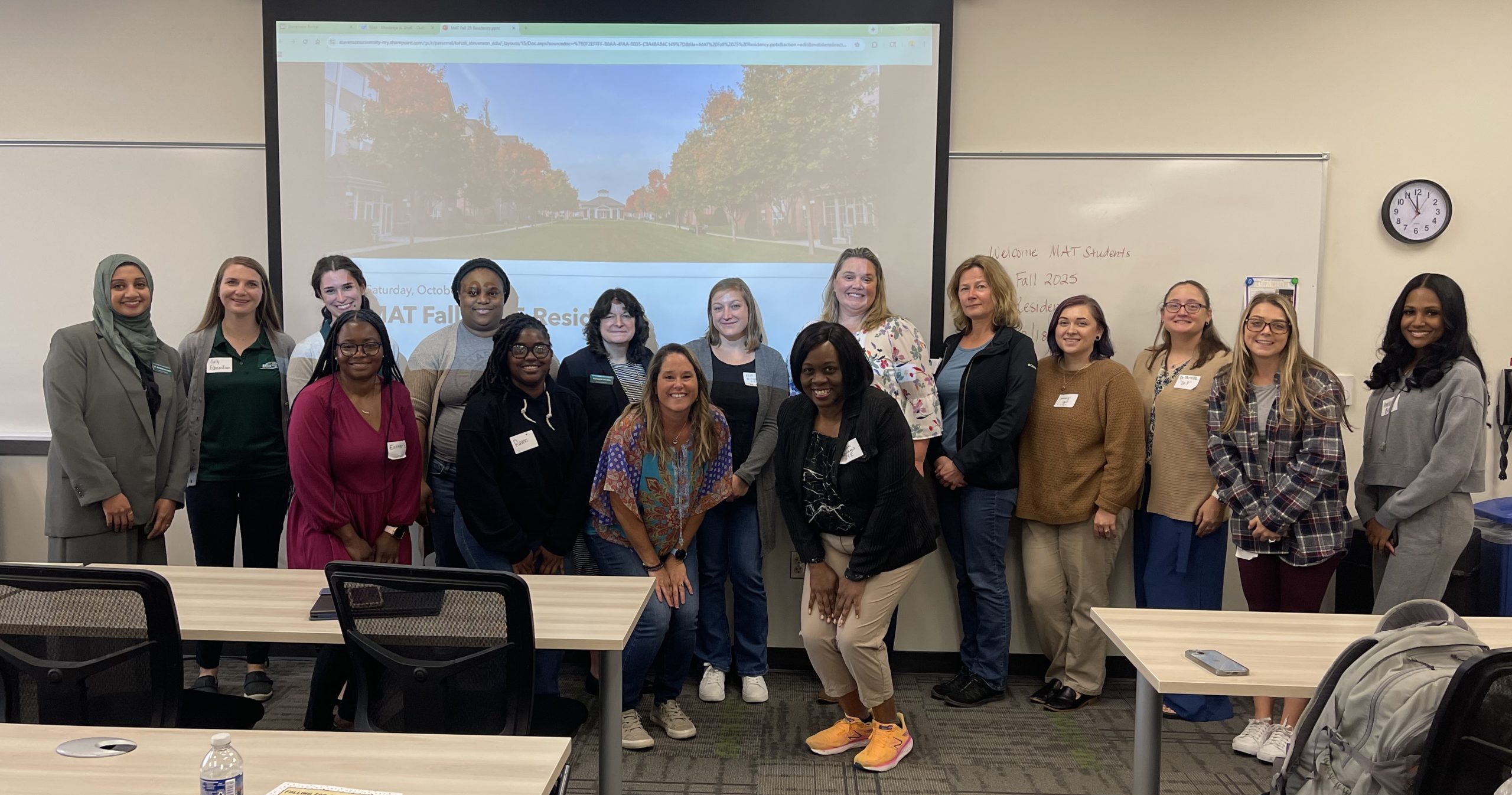
Nearly 20 graduate students from the Early Childhood Education and STEM MAT programs participated in a Fall Residency for a morning of engagement, collaboration, and learning. This was a special opportunity for online graduate students to tour the School of Education floor, meet their classmates, and connect with faculty and mentors. Students expressed how beneficial it was to break the isolation of virtual learning and finally build meaningful in-person connections, all while witnessing the energy of Homecoming and Family Weekend bustling just outside!
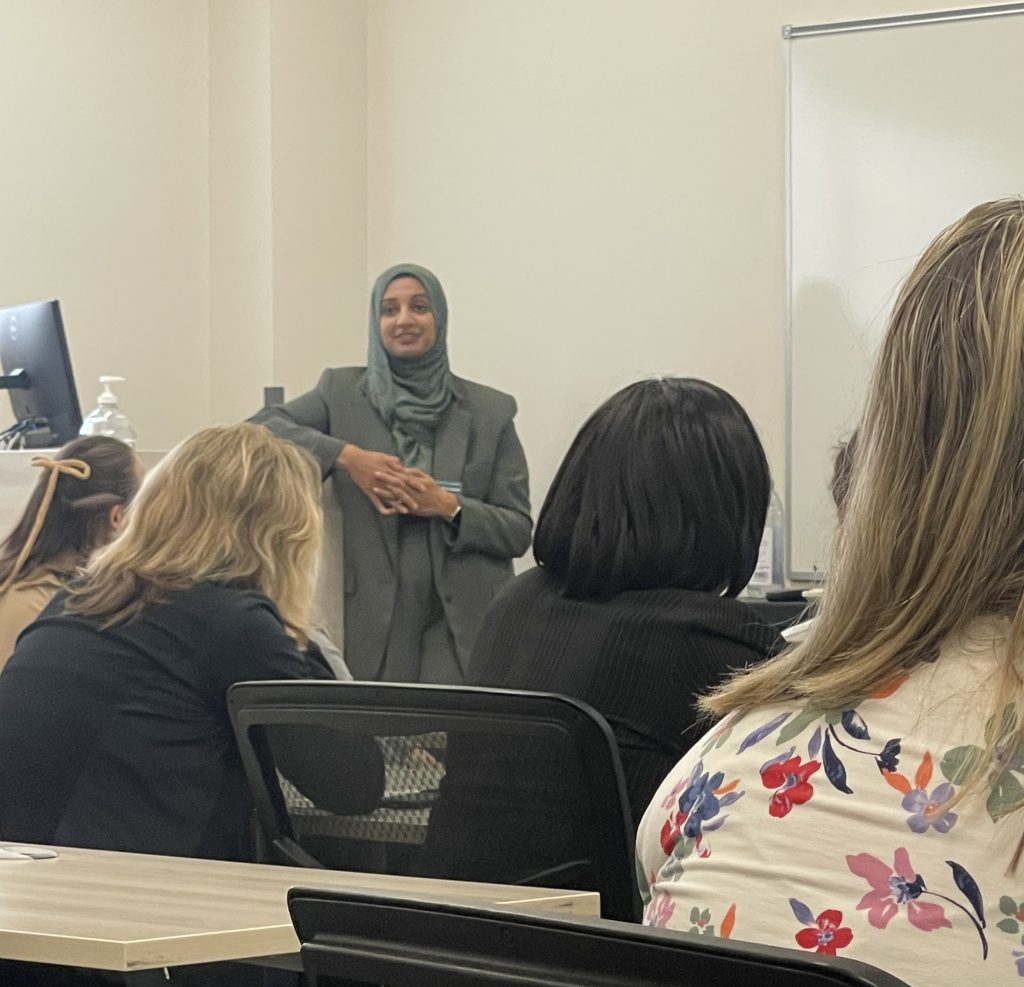
After students socialized and enjoyed breakfast, Dr. Khadeeja Shafi, Director of Graduate Studies, kicked off the morning’s activities. She emphasized the importance of each MAT student’s individual journey and how she enjoyed matching her students’ online faces to their actual selves! Dr. Shafi shared information relevant to Year 1 and Year 2 students, depending on where they are in their MAT program. The new Teaching Readiness Performance Assessment (TRPA) was introduced, and internship requirements were shared. Stevenson education graduate students were invited to join Kappa Delta Pi (KDP), the international honor society for educators.
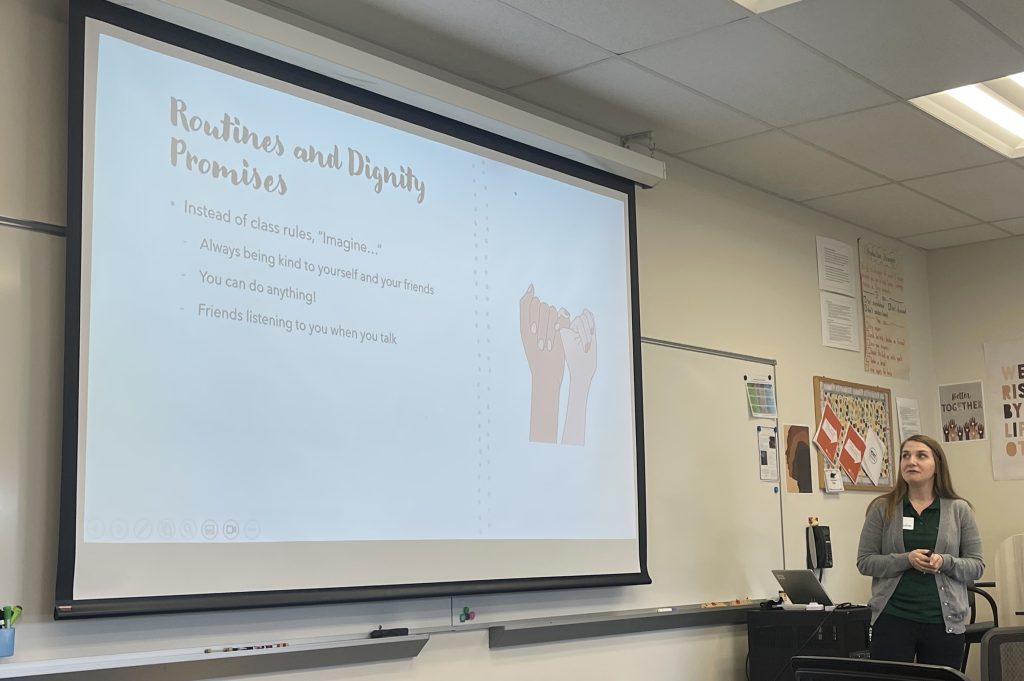
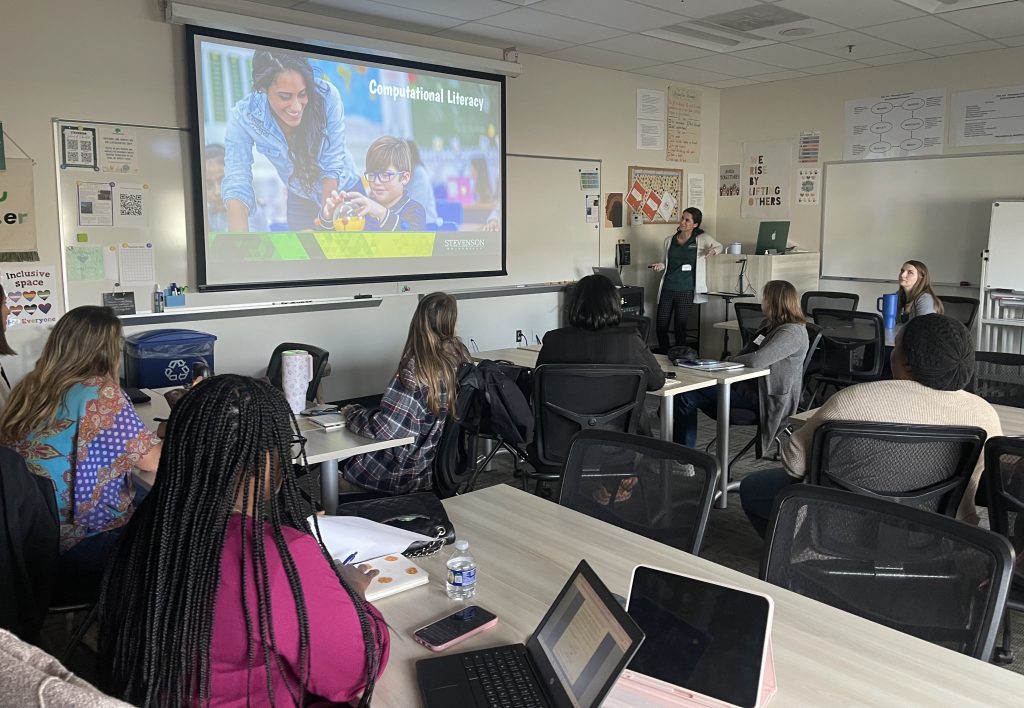
After introductions, students were separated by cohort into breakout sessions. Professor and SOE alum Sally Edmonson shared classroom management strategies and resources with Year 1 students, and Dr. Shafi shared more extensive information on Praxis, TRPA, and internships with Year 2 students. During the second set of breakout sessions, students were separated by programs. MAT Early Childhood Education students attended a computational literacy session led by Stevenson alum and MAT Adjunct Instructor, Dr. Lauren Speiser. Meanwhile, MAT: STEM students participated in a session led by MAT: STEM alum Jessica Rutledge on inquiry-based learning. STEM students learned multiple teaching approaches on a topic leading to more effective learning and even fought it out in a “Battle of the Beaks” activity! MAT: STEM Instructors joined this group, with Dr. D’Andrea Jacobs and Dr. Amy Parlette leading students in collaborative discussions in which they shared insights about their unique STEM backgrounds and how they bring those experiences to their teaching and learning.