




by Mirah Allepot
[Image: wallpaper by ruslan05. CC BY-NC 4.0 Attribution-Non Commercial 4.0 International.]
Deed
What is ENG 205: Subcultures?
Amongst the many topics of literature offered at Stevenson, a quite popular one is English 205: Subcultures. This class is taught by Dr. Clinton McCallum, who studied musicology in school and has experience in a bevy of subcultures himself. This is a course wherein students learn about cultures outside of the mainstream. It offers an engaging exploration into the diverse groups, communities, and identities that exist within the larger landscape of mainstream culture. These groups, communities, and identities are defined by certain shared interests, values, and views. In this class, students discover how subcultures form, how they influence larger society, and how they respond to or even challenge cultural norms. It investigates the concepts of belonging, identity, defiance, and creativity, focusing on the role that youth subcultures, countercultures, and marginalized groups play in shaping social and cultural advancements.
Understanding Subcultures
At the center of the study of subcultures is the concept of identity. Again, a subculture is defined as a group of people who share distinct beliefs, interests, or values that set them apart from the rest of society. Subcultures can form around a plethora of commonalities including but not limited to class, ethnicity, gender, sexuality, or even shared experiences like music, art, fashion, or political beliefs. In this class, students examine how these groups form, how they evolve over time, and the things that influence this evolution.
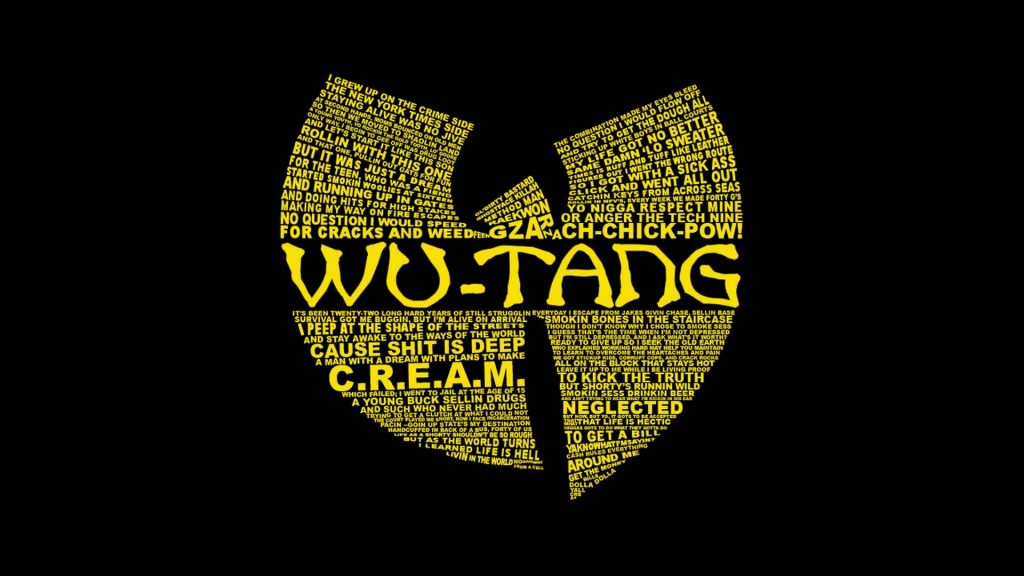
Subcultures are very often seen as resistant or subversive to the mainstream culture, meaning they challenge, reject, or undermine societal norms. For example, one subculture students will learn about in this class is hip hop which emerged as a social expression of youth who lived in marginalized communities. Hip hop combined graffiti art, music, fashion, and dance styles that were resistant to mainstream values. As part of their study of the hip hop scene, students will take an introspective look at Enter the Wu-Tang Clan, by Wu-Tang Clan, a hip hop group that was popular in the 90s. Students will also look at punk music playlists and the evolution of fandoms as subcultures as well.
Social and Cultural Functions of Subcultures
Subcultures provide many social and cultural functions. They provide spaces for people to discover and express their identity, often as a form of resistance to societal expectations. For marginalized groups especially, subcultures have played a vital role in nurturing community, reclaiming power, maintaining visibility, and building solidarity. Subcultures can give people a sense of belonging that they would not have otherwise.
As much as subcultures are characterized by smaller, niche groups that are not a part of mainstream society, subcultures can and do influence popular culture. This is evident by the fashion trends, music genres, and slang terms that were once popular within smaller groups eventually being adopted by the larger social landscape.
Conclusion
The Subcultures course here at Stevenson provides students with a framework for how individuals and groups negotiate power, identity, and personal expression. Through the use of music, politics, fashion, and digital media, subcultures provide an important structure for understanding the diversity of the human experience as well as the unfinished struggle for societal change. The class is a fascinating look into how cultures grow, how political movements gain momentum, and how marginalized groups continue to shape society and the world at large. Students are sure to get a nuanced look at subcultures and their relevance to modern society.